This is default featured slide 1 title

Go to Blogger edit html and find these sentences.Now replace these sentences with your own descriptions.

This is default featured slide 2 title

Go to Blogger edit html and find these sentences.Now replace these sentences with your own descriptions.

This is default featured slide 3 title

Go to Blogger edit html and find these sentences.Now replace these sentences with your own descriptions.

This is default featured slide 4 title

Go to Blogger edit html and find these sentences.Now replace these sentences with your own descriptions.

This is default featured slide 5 title

Go to Blogger edit html and find these sentences.Now replace these sentences with your own descriptions.

Monday, November 27, 2017

10 HERBAL REMEDIES FOR CURING VIRAL INFECTION

10 HERBAL REMEDIES  FOR CURING  VIRAL INFECTION


Licorice


Licorice is an antiviral herb and its root has remarkable healing powers. This herb is not only antiviral, it is also antibacterial. Licorice root can be crushed and added to a hot drink which can be consumed regularly till you have recovered from the viral infection. Licorice is a healing herb and it can dispel the infectious germs which are causing the virus.

Licorice contains about eight antiviral ingredients and it has been used for a long time to ward off fevers and inflammations. Also known by its botanical name Glycyrrhiza Glabra, Licorice is a powerful herb and it can be used to destroy viral infections.


Elderberry


Elderberry also known as Sambucas Nigra is a herb which has been used to cure coughs, colds, flu, fever and respiratory tract infections. This antiviral herb is an ideal cure for viral infections.

Elderberry tea can be consumed regularly to cure the viral fever and gain relief from influenza.  A constituent of this herb has been found by researchers to prevent the spread of the viral infection from infected cells to non infected cells of the body.Elderberry can also be had in the form of a syrup.


Astragalus


This herb possesses antiviral properties and it also has the ability to enhance the immunity of the body. It activates the immunity system of the body and increases the ability of the body to fight back against the viral infection.
Whether added to your diet as food in the form of boiled or cooked portions or taken as an extract, this herb can help you to fend off viral infections. It improves the defense systems of the body against invading germs and infections. Its root is extremely efficacious in warding off all sorts of infections.

Cat’s Claw


This herb is also known by its botanical name Uncaria Tomentosa. This herb has been found to be effective because it possesses antiviral properties and it boosts the immunity system of the body.

It has the ability to help the body to destroy infections and contagious diseases. It also possesses antifungal and antibacterial properties. This herb can be taken in the form of a herbal tea regularly. Cat’s Claw is also available in tincture and syrup form and it can enhance the strength of the body and aid it to fight infections.


Cranberry


Cranberry is also known by its scientific name as Vaccinium Marcocapron. This herb is ideal for coping with fatigue and strengthening the immunity of the body. This antiviral herb has the capacity to instigate the body’s defense mechanisms and ward off infections.

This is because Cranberry possesses antioxidants which refresh and revitalize the body. It can be taken in capsule form. The juice of this herb can also be consumed to help the body to recover from viral infections.

Echinacea


Echinacea commonly called Purple Cone Flower contain specific ingredients which makes this antiviral herb a very effective cure for viral infections. It contains caffeic acid, echinacin and chicoric acid which boost the immune system and destroy viral infections.
The echinacin in this herb destroys the ability of the germs to harm the body. The root of this herb boosts the production of interferon, a substance which has the power to kill many forms of virus which invade the body. The root of this herb can be crushed and added to a hot drink which can be consumed to ward off viral infections. You can also take this herb in supplement form.

Isatdis


Also known by the botanical name Isatis Tinctora, this Chinese herb is very well known as a cure for viral infections. This is because it has antiviral properties. This herb also has antibacterial properties and it is especially effective for curing hepatitis virus.
This herb can be had in the form of a refreshing and energizing herbal tea for relief from viral infection. Isatdis also possesses properties that help a person to make his or her immune system stronger and this herb is therefore a very effective cure for viral infections.

Schizandra


Also known by its Latin name Schizandra Chinensis, this herb is native to China and it is a very effective cure for viral infections. It is also very good for battling the hepatitis virus. This can be taken in the form of a capsule or an extract for best results.
The dried berries of this herb are also found in health shops and they can be consumed to cure viral infections. Schizandra is a good cure for influenza because it prevents the germs in the body from multiplying and its remarkable antiviral properties help to keep the infection away.

Oregano


nown by the botanical name Origanum Vulgare, this herb is well known for its taste improving properties. This culinary herb is also antiviral and it has the ability to enhance the body’s defense systems against viral infections.

Though originally used for seasoning food, this herb also fights bacteria and infections. You can sprinkle this dried herb on your food as this enhances not only the taste of the food, but also its nutritive value. Oregano is a great herb for curing viral infections. It can also be taken in capsule form.


x

Saturday, November 25, 2017

11 COLD & FLU HOME REMEDIES

11 COLD & FLU HOME REMEDIES


Treat your cold at home

Being sick, even when you’re home in bed, isn’t fun. The combination of body aches, fever, chills, and nasal congestion can be enough to make anyone miserable.
There are plenty of home remedies that can alleviate your symptoms and get you back to normal. If you still feel sick after a few weeks, make an appointment with your doctor. If you have trouble breathing, have a rapid heartbeat, feel faint, or experience other severe symptoms, get medical help sooner.
Keep reading to see what cold and flu remedies you can conjure up at home.

Chicken soup

Chicken soup may not be a cure-all, but it’s a great choice when you’re sick. Research suggests that enjoying a bowl of chicken soup with vegetables, prepared from scratch or warmed from a can, can slow the movement of neutrophils in your body. Neutrophils are a common type of white blood cell. They help protect your body from infection. When they’re moving slowly, they stay more concentrated in the areas of your body that require the most healing.
The study found that chicken soup was effective for reducing the symptoms of upper respiratory infections in particular. Low-sodium soup also carries great nutritional value and helps keep you hydrated. It’s a good choice, no matter how you’re feeling.

Ginger

The health benefits of ginger root have been touted for centuries, but now we have scientific proof of its curative properties. A few slices of raw ginger root in boiling water may help soothe a cough or sore throat. Research suggests that it can also ward off the feelings of nausea that so often accompany influenza. For example, one study found that just 1 gram of ginger can “alleviate clinical nausea of diverse causes.”

Honey

Honey has a variety of antibacterial and antimicrobial properties. Drinking honey in tea with lemon can ease sore throat pain. Research suggests that honey is an effective cough suppressant, too. In one study, researchers found that giving children 10 grams of honey at bedtime reduced the severity of their cough symptoms. The children reportedly slept more soundly, which also helps reduce cold symptoms.
You should never give honey to a child younger than 1 year old, as it often contains botulinum spores. While they’re usually harmless to older children and adults, infants’ immune systems aren’t able to fight them off.


Garlic

Garlic contains the compound allicin, which may have antimicrobial properties. Adding a garlic supplement to your diet might reduce the severity of cold symptoms. According to some research, it might even help you avoid getting sick in the first place.
More research needs to be done on the potential cold-fighting benefits of garlic. In the meantime, adding more garlic to your diet probably won’t hurt.


Echinacea

Native Americans have used the herb and root of the echinacea plant to treat infections for more than 400 years. Its active ingredients include flavonoids, chemicals that have many therapeutic effects on the body. For example, flavonoids can boost your immune system and reduce inflammation.
Research on the herb’s effectiveness at fighting the common cold and flu has been mixed. But one review suggests that taking echinacea may lower your risk of developing the common cold by more than 50 percent. It may also reduce the length of a cold. If you’re a healthy adult, consider taking 1 to 2 grams of echinacea root or herb as a tea, three times daily, for no longer than one week.

Vitamin C

Vitamin C plays an important role in your body and has many health benefits. Along with limes, oranges, grapefruits, leafy greens, and other fruits and vegetables, lemons are a good source of vitamin C. Adding fresh lemon juice to hot tea with honey may reduce phlegm when you’re sick. Drinking hot or cold lemonade may also help.
While these drinks may not clear up your cold entirely, they can help you get the vitamin C that your immune system needs. Getting enough vitamin C can relieve upper respiratory tract infections and other illnesses.

Probiotics

Probiotics are “friendly” bacteria and yeast that are found in your body, some foods, and supplements. They can help keep your gut and immune system healthy, and research indicates that probiotics may reduce your chance of getting sick with an upper respiratory infection.
For a delicious and nutritious source of helpful bacteria, include probiotic yogurt in your diet. Besides its potential benefits for your immune system, yogurt is a healthy snack that provides plenty of protein and calcium. Look for products that list live bacteria on the label.

Other options

Salt water

Gargling with salt water may help prevent upper respiratory infections. It may also decrease the severity of cold symptoms. For example, it may ease sore throat pain and nasal congestion.

Gargling with salt water reduces and loosens mucus, which contains bacteria and allergens. To try this remedy at home, dissolve 1 teaspoon of salt in a full glass of water. Swish it around your mouth and throat. Then spit it out.

Vapor rub

You might not like the smell, but some old-fashioned topical ointments, such as vapor rub, appear to reduce cold symptoms in children older than 2 years. Just one or two applications before bed can help open air passages to combat congestion, reduce coughing, and improve sleep. Vapor rub is gaining traction among some doctors who encourage parents to avoid giving over-the-counter cold medicines to young children because of unwanted side effects.

Humidity

Influenza thrives and spreads more easily in dry environments. Creating more humidity in your home may reduce your exposure to this flu-causing virus. Increased humidity may also reduce nasal inflammation, making it easier to breathe when you’re sick. Temporarily adding a cool mist humidifier to your bedroom may help you feel more comfortable. This is especially true in winter, when dry indoor heat can exacerbate your symptoms. Adding a few drops of eucalyptus oil might also stimulate your breathing.
Remember, the water used in humidifiers needs to be changed daily to stop mold and other fungi from growing. For the same effect without a humidifier, take a long shower or linger in a steamy bathroom.

Warm baths

Sometimes you can reduce a child’s fever by giving them a warm sponge bath. Warm baths can also reduce cold and flu symptoms in adults. Adding Epsom salt and baking soda to the water can reduce body aches. Adding a few drops of essential oil, such as tea tree, juniper, rosemary, thyme, orange, lavender, or eucalyptus, may also have a soothing effect.
A


Monday, November 20, 2017

TOP 10 STRONGEST & POWERFUL ANTIBIOTICS


TOP 10 STRONGEST & POWERFUL ANTIBIOTICS     


1. Ciprofloxacin:

             
Arguably the strongest antibiotic in the market, Ciprofloxacin is a type of antibiotic that belongs to a group of a drug called Fluoroquinolones. Ciprofloxacin is used to treat respiratory infections, anthrax, bacterial diarrhea, diverticulitis and prostate infections. The dosage of this drug is usually twice (every 13 hours) a day with a glass of water. It should not be taken with any dairy products like milk or yogurt.
Moreover, this drug is not recommended for children, nursing mothers or pregnant women. The usage of Ciprofloxacin could result in a number of side effects like a headache, swelling or even tearing a tendon.
Therefore, this drug should always be taken under doctor’s prescription only.


2. Vancomycin :


Vancomycin is usually taken as a drug of last resort so as to keep the body’s resistance to bacterial high. Vancomycin is a very useful drug against bacterial infections such as bloodstream infections, skin infections, bone and joint infections as well as endocarditis.
Additionally, Vancomycin is every potent against most gram-positive organisms. It is given slowly intravenously to the patient. In case this medication is injected too fast, pain, tenderness, and redness may occur thus, a lot of care should be taken.


3. Erythromycin :


Erythromycin is a type of antibiotic that is effective in treating middle ear infections and respiratory infections. This is a strong type of antibiotic that belongs to a class of antibiotics known as macrolide antibiotics.
Seeing that this drug is so strong, some mild side effects are bound to happen to some people including difficulty in breathing or even swelling of tongue, throat, lips and face. In case the patient starts to diarrhea, it is recommended that they discontinue usage of this drug.

4. Azithromycin (Zithromax) :


Azithromycin is a strong antibiotic used for treating sexually transmitted diseases, ear infections, and skin infections. This drug belongs to a class of antibiotics known as Macrolides.
Some of its side effects include a headache, diarrhea, and nausea. In case you have a liver problem or jaundice, this drug is not recommended.

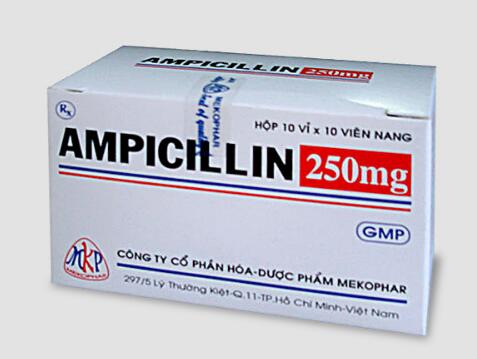
5. Ampicillin :


Ampicillin like its name suggests belongs to the class of antibiotics known as Penicillin. Ampicillin is a powerful antibiotic that only works for bacterial infection related diseases.
This drug is useful for urinary tract infections, respiratory tract infections, gastrointestinal infections and bacterial meningitis. Some of its common side effects noted include vomiting, throat infections, redness of the mouth and difficulty in breathing.


6. Levofloxacin :


This is one of the most effective oral antibiotics. This drug belongs to a class of antibiotics known as Quinolones. This is simply a class of drugs that treats bactericidal infections.

The Levofloxacin drug is mostly associated with treating tendon problems; a disease associated with people who are 60 years old and more. It is not recommended to patients who may be pregnant or have a history of allergies to other diseases.


7. Polymyxin B (Colistin):

This is an extremely potent antibiotic. It is used as a strong antibiotic when other antibiotics prove ineffective.
It causes some side effects such as redness, irritation of skin causes inside effects and burning. Though, these are not paramount to all patients.

8. Aztreonam:


Aztreonam is an antibiotic used solely to treat gram-negative bacteria infections. This is a strong antibiotic that fights life-threatening or severe bacterial ribosomes. Some of the bacterial infections this antibiotic is known to treat include skin, female reproductive organ infections, stomach and lower respiratory bacterial infections.

Aztreonam medication is mainly administered through injection, though, a powder form for inhalation is available. Some of the common side effects associated with the usage of this medication include fever, cough, difficulty in breathing and chest discomfort.